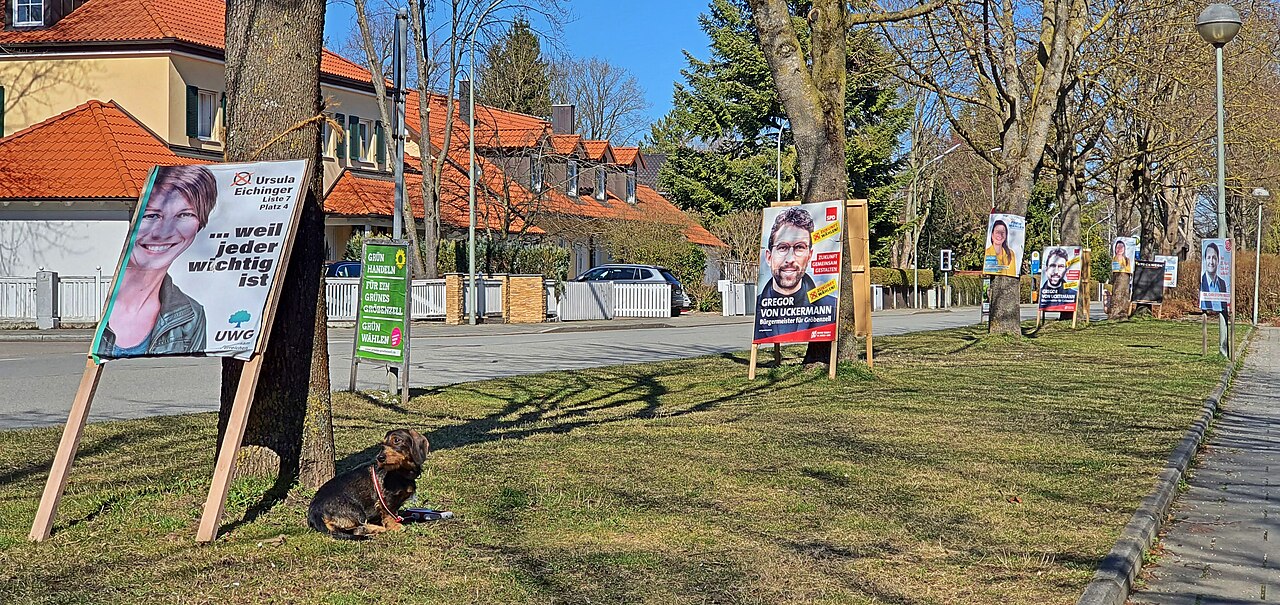
Bavaria Municipal Elections 2020: Results & Upcoming City Races
The year 2020 marked a pivotal moment for local democracy in Bavaria, as citizens across the Free State headed to the polls for their municipal elections. These elections, known as Kommunalwahlen in Germany, are fundamental to the fabric of local governance, directly impacting the daily lives of millions. If you're seeking to understand the intricacies of these significant electoral events, a comprehensive exploration, much like what you'd find in a detailed Kommunalwahl Bayern Wiki entry, is essential. This article dives into the key races of 2020, the unique aspects of Bavarian municipal electoral law, and the enduring importance of local political engagement.
Unpacking the "Kommunalwahl": Local Democracy in Bavaria
A Kommunalwahl refers to political elections held within communal administrative bodies, which include cities, municipalities, districts, and even regional associations. Unlike national or state elections, these ballots are specifically designed to determine the composition of local representative bodies and, in many cases, to directly elect key local figures.
In Bavaria, as elsewhere in Germany, these elections serve several critical purposes:
- Electing Representatives: Citizens cast their votes to select members for municipal councils (Gemeinde- und Stadträte) and district councils (Kreistage). These bodies are responsible for making decisions on a vast array of local issues, from urban planning and public transport to school funding and waste management.
- Direct Mayoral and District Administrator Elections: Beyond council members, many Bavarian cities and districts directly elect their mayors (Bürgermeister or Oberbürgermeister for larger cities) and district administrators (Landräte). These individuals hold significant executive power within their respective jurisdictions, acting as the primary face of local government.
- Ancillary Bodies: Alongside the main elections, voters also choose representatives for district assemblies (Bezirksversammlungen), local advisory councils (Ortsbeiräte), and specialized committees like foreigner advisory councils (Ausländerbeiräte) or senior advisory councils (Seniorenbeiräte), reflecting a commitment to broad civic participation.
The direct impact of these elections on infrastructure, public services, and community development cannot be overstated. They are where policies most tangibly affect residents, making local engagement vitally important.
The Bavarian Municipal Elections 2020: A Snapshot of Key Races
The 2020 Bavarian Municipal Elections unfolded with a series of critical races, many of which began to shape up in early 2020. The political landscape saw both established parties and local voter groups vying for influence across the Free State.
Early Highlights: January 2020 Launches
The election season kicked off in earnest in January 2020 with several high-profile contests. Among these were the comprehensive state results for the Bavarian municipal elections, which offered an initial barometer of public sentiment. Major urban centers were also in focus, particularly:
- Munich City Council Election: The capital of Bavaria saw intense competition for seats on its city council, a body responsible for governing one of Germany's largest and most economically vital cities.
- Munich Mayoral Election (OB-Wahl München): The race for Munich's top executive position was a closely watched contest, with candidates presenting their visions for the city's future.
Upcoming Contests: February 2020 and Beyond
As January concluded, attention shifted to a fresh wave of elections scheduled to commence in early February 2020. These included a deeper dive into the state results, specifically focusing on the performance of smaller parties, which often play a crucial role in coalition-building at the local level. Other significant city council elections launched during this period included:
- Augsburg City Council Election
- Nuremberg City Council Election
- Regensburg City Council Election
Beyond these immediate launches, a substantial list of other city council elections were in the planning stages, indicating the widespread nature of the 2020 electoral cycle. While not all were guaranteed to proceed as initially anticipated, they highlighted the breadth of democratic activity across Bavaria:
- Bamberg City Council Election
- Bayreuth City Council Election
- Coburg City Council Election
- Erlangen City Council Election
- Fürth City Council Election
- Ingolstadt City Council Election
- Würzburg City Council Election
- Additional Mayoral (OB-Wahl) races in various municipalities.
A Closer Look at Würzburg: Navigating the Electoral Landscape
The Würzburg City Council election provided a practical example of the dynamics at play in these local races. Here, the process of candidate nomination revealed both opportunities and challenges for various political entities. Notably, "Die PARTEI," known for its satirical approach to politics, failed to secure the necessary support signatures to be officially listed on the ballot. This highlights a crucial hurdle for newer or less established groups: demonstrating sufficient public backing to participate.
For the Würzburg election, the confirmed parties and lists represented a diverse political spectrum, including:
- CSU (Christian Social Union)
- SPD (Social Democratic Party)
- Grüne (The Greens)
- FWG (Freie Wähler Gemeinschaft – Free Voters' Group, a common form of local non-party voter group)
- Würzburger Liste (Würzburg List – a purely local independent group)
- Zukunft für Würzburg (Future for Würzburg – another local initiative)
- ÖDP (Ecological Democratic Party)
- AFD (Alternative for Germany)
- Linke (The Left)
- FDP (Free Democratic Party)
- Bürgerforum (Citizens' Forum – yet another local civic group)
This mix of national parties with strong local presence, alongside dedicated local voter groups and civic initiatives, is characteristic of Bavarian municipal elections, offering voters a wide range of choices tailored to local concerns.
Understanding Bavarian Municipal Electoral Law: Who Can Participate?
The legal framework governing municipal elections, known as Kommunalwahlrecht, is a distinct subset of administrative law in Germany. It often differs significantly from federal or state electoral laws, reflecting the unique nature of local self-governance. For a deeper dive into the specific regulations, including voter qualifications and rights, you might find valuable information in Bavaria's Municipal Elections: Rules, Rights & Voter Guide.
One of the most notable distinctions in municipal electoral law, particularly relevant to a comprehensive Kommunalwahl Bayern Wiki, is the provision for non-German citizens:
Foreigner Voting Rights (Ausländerwahlrecht)
Unlike national or state elections, municipal elections in Germany uniquely grant active and passive voting rights to citizens of other European Union (EU) member states who reside in Bavaria. This means that if you are an EU citizen living in a Bavarian municipality, you are generally eligible to vote and even stand as a candidate in local elections. This right is enshrined in Article 40 of the Charter of Fundamental Rights of the European Union, guaranteeing EU citizens the right to vote and stand as candidates in municipal elections in their member state of residence, under the same conditions as nationals of that state. To explore this topic further, consider reading Kommunalwahl Bayern: Foreigner Voting Rights & Voter Groups.
The Role of Voter Groups (Wählergruppen)
Another distinguishing feature of municipal electoral law is the prominence and legitimacy of Wählergruppen – independent voter groups or local lists that are not formally registered political parties at the national or state level. These groups, often referred to as "Rathausparteien" (town hall parties), focus exclusively on local issues and can be highly influential in community politics. They provide a platform for citizens to organize and participate in elections without needing to align with broader party ideologies, often attracting voters who prioritize local concerns over national political affiliations.
For both established parties and new voter groups, securing a place on the ballot often requires a demonstration of public support. Parties and voter groups not currently represented in the respective communal assembly, state parliament, or national parliament typically need to collect a certain number of supporting signatures from eligible voters to be officially admitted to the election. This mechanism helps ensure that only serious contenders with a degree of local backing participate, although it can pose a challenge for grassroots initiatives.
The Local Impact: Why These Elections Matter
The 2020 Bavarian Municipal Elections, like all local elections, underscore the fundamental importance of governance closest to the people. Decisions made by city councils, mayors, and district administrators directly shape the quality of life in Bavaria's towns and cities. From determining school policies and local public transport routes to approving urban development projects and managing local budgets, these elected officials have a tangible and immediate impact.
Moreover, municipal elections often serve as crucial barometers for broader political sentiment. While focused on local issues, the results can sometimes reflect shifts in public mood that may later manifest in state or federal elections. They offer an invaluable opportunity for citizens to voice their opinions on local priorities and hold their directly elected representatives accountable.
For residents, understanding the local political landscape, the candidates, and the issues at stake is key to informed participation. Engaging with local politics, whether through voting, attending public meetings, or even joining a voter group, is a powerful way to influence the direction of one's community.
Conclusion
The Bavaria Municipal Elections 2020 were a vibrant demonstration of local democracy, showcasing the diverse political landscape and the direct engagement of citizens across the Free State. From the high-stakes mayoral races in major cities like Munich to the intricate battles for city council seats in smaller municipalities like Würzburg, these elections affirmed the critical role of local governance. Understanding the unique aspects of Bavarian municipal electoral law, including the rights of EU citizens and the impact of local voter groups, provides a comprehensive perspective, much like a well-structured Kommunalwahl Bayern Wiki entry. As Bavaria continues to evolve, the outcomes and precedents set by these local elections will undoubtedly continue to shape its communities for years to come, emphasizing the enduring importance of active civic participation at the grassroots level.