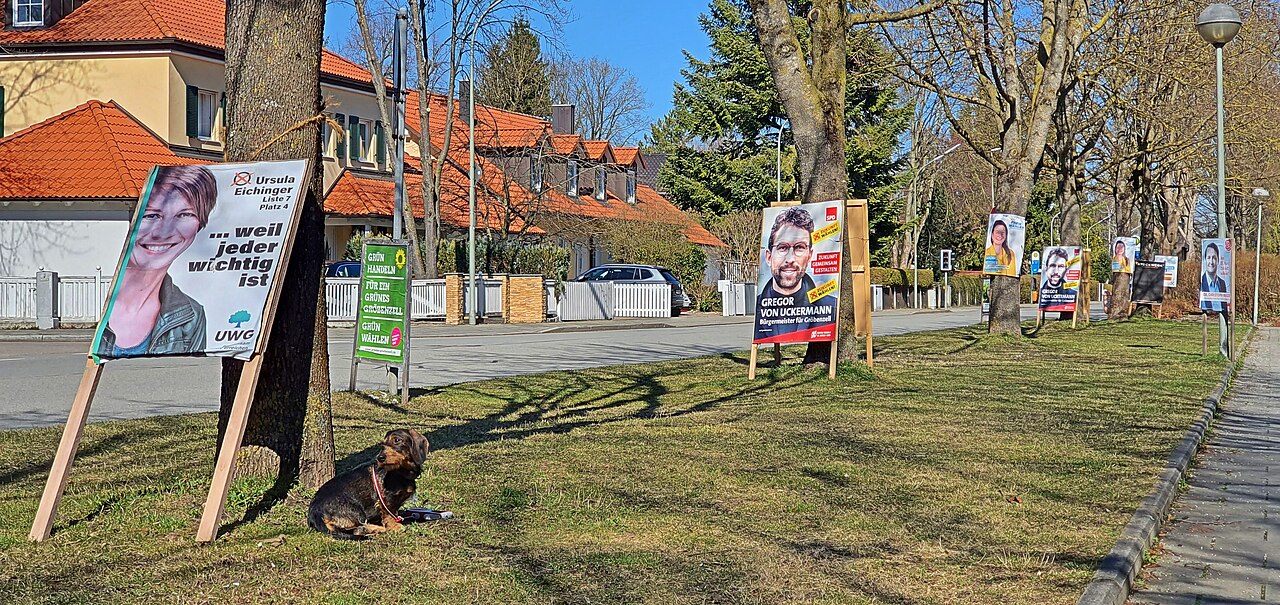
Bavaria's Municipal Elections: Rules, Rights & Voter Guide
Navigating the intricacies of local governance can seem complex, but understanding Bavaria's municipal elections, or Kommunalwahl Bayern Wiki, is essential for every resident to engage with their community's future. These elections are the bedrock of local democracy, directly shaping the towns, cities, and districts we call home. Unlike state or federal elections, municipal ballots have an immediate and tangible impact on daily life, from local infrastructure projects and school funding to public transport and cultural initiatives.
This comprehensive guide delves into the rules, rights, and responsibilities associated with the Kommunalwahl in Bavaria, offering a vital resource for citizens and interested parties alike. We'll explore who can vote, what offices are up for election, and why your participation truly matters in the Bavarian political landscape.
What is a Kommunalwahl? Demystifying Local Elections in Bavaria
At its core, a Kommunalwahl is a political election held within a communal territorial body. In Bavaria, this primarily refers to elections within cities (Städte), municipalities (Gemeinden), and districts (Landkreise). These electoral events are distinct from state or federal elections, focusing exclusively on local governance and representation. They empower citizens to directly influence the decision-makers closest to their everyday lives.
The main purpose of the Kommunalwahl is to elect representatives to various local legislative bodies. These include:
- Gemeinderäte / Stadträte: Municipal or City Councils, responsible for local legislation, budgeting, and oversight.
- Kreistage: District Councils, which manage affairs spanning multiple municipalities within a district, such as hospitals, major roads, and waste disposal.
- Bürgermeister / Oberbürgermeister: Mayors or Lord Mayors, who serve as the administrative heads of municipalities and cities, often directly elected.
- Landräte: District Administrators, the chief executives of district administrations, also frequently chosen by direct vote.
- Bezirksversammlungen / Bezirksvertretungen: District Assemblies or Representations, which handle specific regional tasks.
- Ortsbeiräte: Local Advisory Boards or Neighborhood Councils, often found in larger cities, addressing hyper-local concerns.
Often, Kommunalwahlen coincide with other important local elections, such as those for Ausländerbeiräte (foreigner advisory councils) or Seniorenbeiräte (senior citizens' advisory councils), and even local referendums on specific issues. This convergence highlights the multifaceted nature of local democracy, allowing citizens to have their say on a wide array of topics simultaneously.
The Legal Framework: Navigating Bavaria's Municipal Election Law
The legal backbone governing these local elections is known as the Kommunalwahlrecht, a specialized branch of communal law. Functionally, it parallels the organizational law at the state or federal level but is uniquely tailored to the specific needs and structures of local governance. This body of law dictates everything from voter eligibility and candidate requirements to the electoral process itself, ensuring fairness and transparency.
One of the most significant distinctions of Kommunalwahlrecht from state or federal election law is the inclusion of specific voting rights for non-German citizens. Under German law, voting in federal or state elections is reserved for German nationals. However, municipal elections open the door to a broader electorate:
- EU Citizens: Thanks to Article 40 of the Charter of Fundamental Rights of the European Union, which is part of primary EU law, citizens of other EU member states residing in Bavaria have both active (right to vote) and passive (right to stand for election) voting rights in their local municipality. This is a crucial aspect of European integration and local self-governance, further enshrined in the European Charter of Local Self-Government.
- Non-EU Citizens: While non-EU citizens generally do not have voting rights in German elections, the existence of Ausländerbeiräte (foreigner advisory councils) allows them to participate in elections for these specific bodies, providing a voice on issues directly affecting their communities.
Another defining characteristic of municipal election law is the prominent role of Wählergruppen (voter groups), often affectionately termed "Rathausparteien" (city hall parties). Unlike traditional political parties, these groups often form to address specific local concerns, free from national or state party ideologies. They offer a platform for citizens to organize and run for office based purely on municipal interests. However, both new parties and voter groups not already represented in the relevant local council, state parliament, or national parliament typically need to gather a certain number of Supportunterschriften (support signatures) to be admitted to the ballot – a hurdle that can sometimes prevent smaller entities, like "Die PARTEI" in the Würzburg Stadtratswahl, from participating.
It's important to remember that Kommunalwahlrecht can vary significantly not only from state to state within Germany but also in specific details within Bavaria itself, reflecting the diverse legal landscape of the federal republic.
Who and What is Being Elected? Your Guide to Bavarian Local Offices
The ballot in a Bavarian municipal election is typically multifaceted, requiring voters to make choices that will impact their local community for years. Here's a closer look at the key offices and bodies up for election:
1. Municipal and City Councils (Gemeinderäte / Stadträte)
These are the core legislative bodies at the local level. Councilors are elected to represent their constituents' interests, making decisions on everything from local budgets and taxes to urban planning, social services, schools, cultural institutions, and public safety. They set local policy, approve major projects, and oversee the administration.
2. Mayors and Lord Mayors (Bürgermeister / Oberbürgermeister)
Often, voters directly elect the head of their municipal administration. A Bürgermeister (mayor) leads a municipality, while an Oberbürgermeister (lord mayor) heads a larger city (typically with more than 100,000 inhabitants). These individuals are not just figureheads; they are the chief executives, responsible for implementing council decisions, managing city departments, and representing the municipality.
3. District Councils (Kreistage)
For residents within a Landkreis (district), elections for the Kreistag are equally vital. District councils handle regional matters that often transcend individual municipal boundaries, such as district-wide hospitals, vocational schools, major road networks, public transport planning, waste management, and social welfare programs across the district.
4. District Administrators (Landräte)
Similar to mayors, the Landrat is the directly elected administrative head of a district. They oversee the district administration, implement decisions made by the Kreistag, and act as the district's primary representative.
5. Other Local Bodies
Depending on the municipality, voters may also elect representatives to specific regional bodies or local advisory groups, such as Bezirksversammlungen (district assemblies) or Ortsbeiräte (local advisory boards), which focus on more specialized or hyper-local issues.
Understanding the functions of each elected body and office is crucial for an informed vote. These local representatives make decisions that directly affect your neighborhood, schools, roads, and daily services, making their selection incredibly important.
Voter Eligibility and Participation: Your Right to Shape Bavaria's Future
Participation in the Kommunalwahl is not just a right; it's a powerful tool to influence your immediate surroundings. To cast your vote in Bavaria's municipal elections, certain eligibility criteria must be met:
- Age: You must be at least 18 years old on the day of the election.
- Residency: You must have been a resident of the municipality or district for a specified period (typically at least three months prior to the election) and be registered with the local authorities.
- Citizenship:
- German Citizens: All German citizens meeting the age and residency requirements are eligible to vote.
- EU Citizens: Citizens of other European Union member states who meet the age and residency requirements are also eligible to vote and stand for election in Bavarian municipal elections. This is a significant right that underscores the European dimension of local self-governance.
Voter registration for eligible residents is typically automatic based on your official registration with the local Bürgeramt (citizen's office). Shortly before an election, eligible voters receive an election notification card (Wahlbenachrichtigung) by mail, detailing polling station information and options for postal voting.
Practical Tip: Don't wait for your election card to arrive to get informed! Familiarize yourself with the candidates and their platforms well in advance. Consider using local election guides or candidate forums to make an informed decision. If you can't vote in person, make use of postal voting (Briefwahl), which allows you to cast your ballot conveniently from home. Ensuring your voice is heard is the most direct way to contribute to your community's development.
Understanding the Landscape: Parties and Voter Groups in Bavarian Municipal Elections
The political landscape of Bavarian municipal elections is a vibrant mix of established political parties and locally focused voter groups. While national and state parties like the CSU, SPD, Greens, FDP, AfD, Linke, and ÖDP certainly field candidates, the local level often sees the emergence of powerful independent movements.
Wählergruppen (Voter Groups): These are non-party political organizations that often play a crucial role in local governance. Examples such as the Freie Wähler (FWG) or specific local lists like the "Würzburger Liste," "Zukunft für Würzburg," or "Bürgerforum" demonstrate the strength of locally rooted initiatives. These groups tend to focus on specific municipal issues rather than broad ideological stances, making them highly responsive to community needs. Their appeal often lies in their perceived independence from larger party directives, allowing them to prioritize local concerns above all else.
The Challenge of Signatures: For new parties or voter groups not already represented in a legislative body, gathering a requisite number of support signatures is a prerequisite to appear on the ballot. This mechanism ensures a basic level of public support but can be a significant hurdle for smaller or grassroots initiatives. As seen in the example of "Die PARTEI" failing to secure enough signatures for the Würzburg Stadtratswahl, this requirement can shape the diversity of options available to voters.
The dynamic interplay between established parties and these local voter groups enriches the democratic process, offering a wide array of choices to reflect the unique character and priorities of each Bavarian municipality. For those interested in the outcomes of past races and the lineup of parties in specific cities, referring to resources like Bavaria Municipal Elections 2020: Results & Upcoming City Races can provide valuable context.
Beyond the Ballot Box: The Impact of Kommunalwahl Results
Once the votes are counted and the results of the Kommunalwahl are in, the real work begins. The newly elected municipal and district councils, along with mayors and district administrators, convene to form the local government. Their decisions over the next term will have a profound and lasting impact on the community.
The composition of these local bodies determines the political direction of your city or district. Will there be more investment in public transport, green spaces, or digital infrastructure? How will local taxes be allocated? What policies will be adopted concerning housing, education, and social services? All these crucial questions are addressed by the individuals and groups elected during the Kommunalwahl.
Looking back at past elections, such as the 2020 municipal elections, provides insights into how results in key cities like Munich, Augsburg, Nuremberg, and Regensburg have shaped their development. The outcomes determine which parties and voter groups hold sway, influencing everything from large-scale development projects to the nuances of local cultural funding. These elections are not merely a formality; they are a direct expression of the local populace's will and aspirations.
The transparency of the electoral process ensures that results are publicly accessible, allowing citizens to monitor the performance of their elected representatives and hold them accountable. This continuous cycle of democratic engagement is what keeps local governance responsive and relevant.
The Kommunalwahl Bayern Wiki reveals a robust and vital system of local democracy. From understanding the legal framework and diverse eligibility criteria to recognizing the critical role of both parties and local voter groups, engaging with municipal elections is a cornerstone of active citizenship. Your vote is your voice in shaping the place you call home, influencing everything from the streets you walk on to the schools your children attend. By participating, you ensure that the future of your Bavarian community reflects your values and priorities.